
The oil and gas industry is a complex global system that supplies energy to homes, industries, and transportation.
To understand how oil and natural gas move from underground reservoirs to finished fuel products, the industry is divided into
three major sectors: Upstream, Midstream, and Downstream.
Together, these sectors form the complete oil and gas supply chain.
The oil and gas supply chain explains the journey of energy resources from exploration to end users.
It starts with discovering oil and gas underground and ends with delivering refined energy products such as gasoline, diesel, and LPG to consumers.
The upstream sector is also known as Exploration and Production (E&P).
This stage focuses on locating underground oil and gas reserves and extracting them safely and efficiently.
The E&P definition includes all activities related to finding and producing crude oil and natural gas before transportation.
Upstream operations involve high investment and risk, but they are essential for ensuring long-term energy supply.
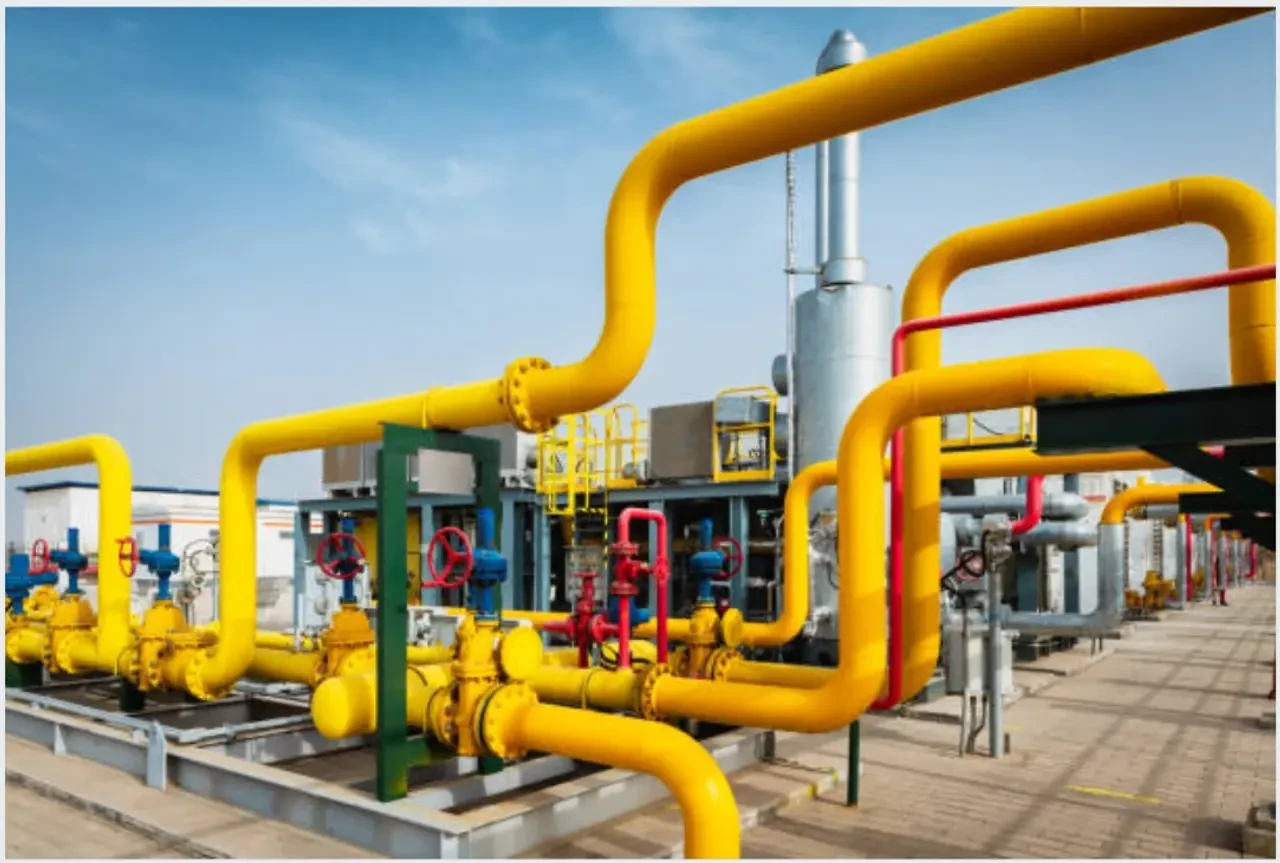
The midstream sector acts as a bridge between production and refining.
Its main responsibility is pipeline transportation and storage of crude oil, natural gas, and refined products.
Pipeline transportation is considered the safest and most efficient method to move large volumes of oil and gas across long distances.
The downstream sector is where crude oil is converted into usable products through the
crude oil refining process.
This stage directly connects the oil and gas industry with consumers.
Refineries use advanced systems such as distillation columns and chemical conversion units to produce high-quality fuels.
After refining and processing, oil and gas are transformed into various products used in daily life.
Below are some common energy products explained:
The oil and gas industry operates as an integrated system:
Upstream extracts resources →
Midstream transports and stores them →
Downstream refines and delivers energy products to the market.
Any disruption in one sector can affect the entire oil and gas supply chain.
Understanding upstream, midstream, and downstream oil and gas operations is essential for anyone studying or working in the energy sector.
These three segments together form the backbone of the global energy system, ensuring that oil and gas move efficiently from the ground to consumers.
With growing demand and evolving technology, the oil and gas supply chain continues to play a vital role in modern life.
Upstream, Midstream, and Downstream in Oil and Gas: A Complete and Simple Guide
What Is the Oil and Gas Supply Chain?
Upstream Sector: Exploration and Production (E&P Definition)
Key Upstream Activities
Midstream Sector: Pipeline Transportation and Storage
Main Midstream Functions
Downstream Sector: Crude Oil Refining Process and Distribution
Downstream Operations Include
Energy Products Explained
How Upstream, Midstream, and Downstream Work Together
Importance of the Oil and Gas Industry
Conclusion
If you are new to the energy sector, you may also find our detailed guide on oil and gas industry basics helpful.
Learn more about refining technologies in our article on crude oil refining process explained .


0 Comments